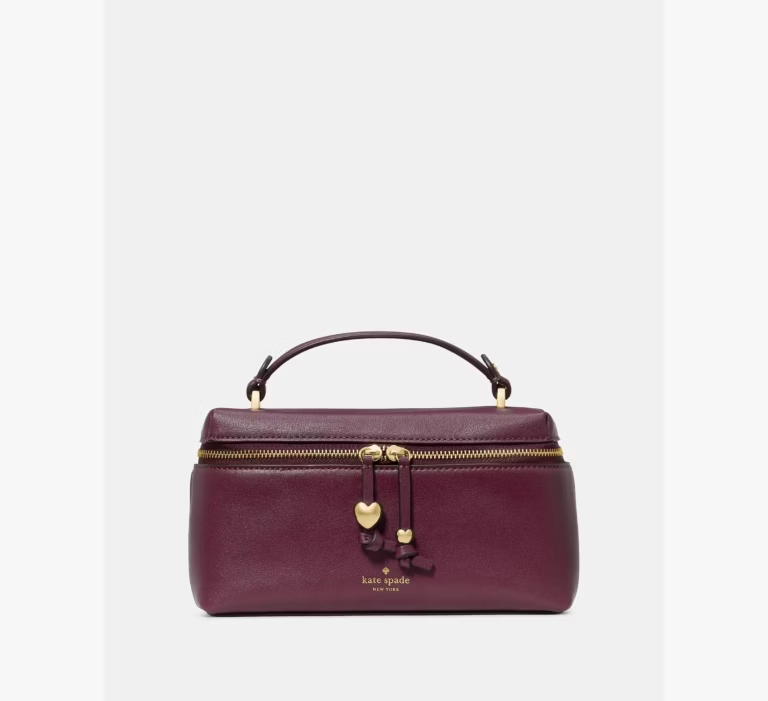
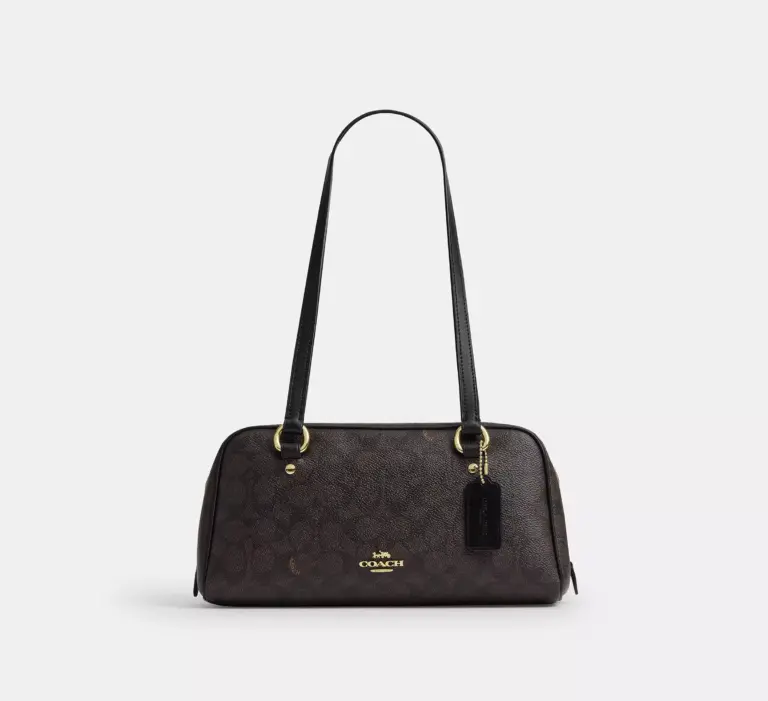
Wristlet vs Wallet: Which Should You Carry Every Day?
The wristlet vs wallet choice depends mostly on whether you carry a bag. If a bag goes with you most days, a wallet is the more practical pick because it keeps more cards and cash in order. If you often leave with only...

The wristlet vs wallet choice depends mostly on whether you carry a bag. If a bag goes with you most days, a wallet is the more practical pick because it keeps more cards and cash in order. If you often leave with only a phone, keys and a card or two, a wristlet covers that without a bag.
Wristlet vs wallet: the practical difference
A wallet is built for organising. It has card slots, a section for notes and often a coin pocket, and it is meant to sit inside a bag or a roomy pocket. It has no strap, so carried alone it takes up a hand.
A wristlet is a small pouch with a strap that loops around the wrist. The strap lets you carry it on its own and still use your hands for shopping bags or a train pass.
Start with what you carry on an ordinary day and where it sits. That answer settles most of the decision.
What is a wristlet used for?
A wristlet is used for short trips where a bag is more than you need: lunch, a school run, an evening out. Some people also keep one inside a larger tote as an organiser, then lift it out when the tote stays at a desk.
Check each product page for the dimensions and interior layout before you decide, because those two details determine what the wristlet can hold.
Phone fit, card capacity and bag-free carry
Phone fit is the first check for a wristlet. Measure your phone in its case (length, width and thickness) and compare it with the measurements on the product page. Outside dimensions are larger than the usable space inside, so leave a margin for the lining and the zip.
Card capacity is where wallets do better. Count the cards you use in a normal week, then add your ID and a transit card. That number tells you how many slots you need.
It suits someone who pays with both cards and cash and wants a wallet that sits in a small bag.
For either wallet, confirm the number of card slots on the product page.
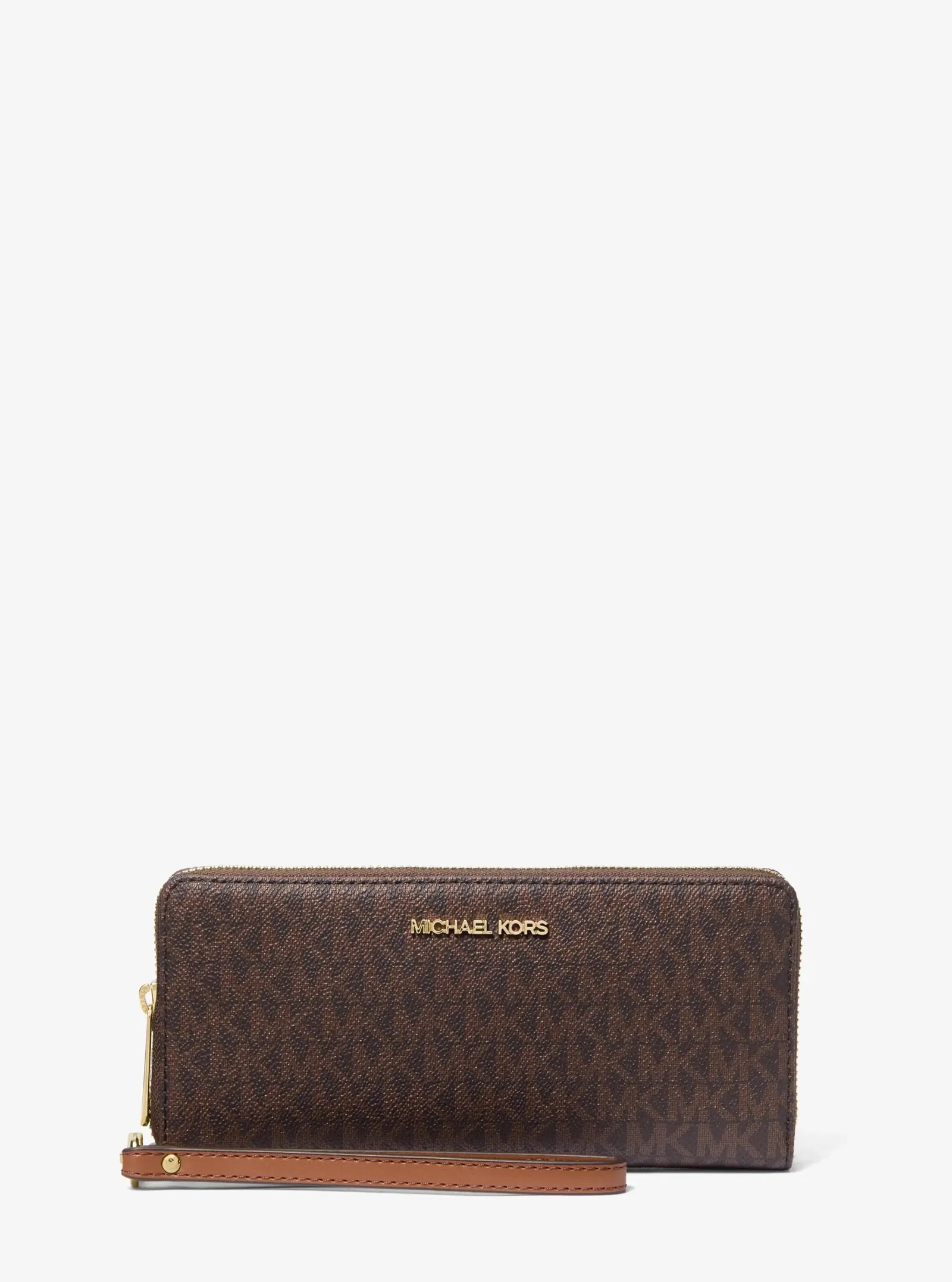
For bag-free carry, a wallet only works if you have a pocket that takes it. A compact bifold is the more pocketable of the two wallet formats. A zip-around continental wallet is a larger format and usually travels in a bag.
Marc Jacobs wristlets and wallets side by side
A simple way to choose:
- You carry a bag daily and use cash and coins: the compact bifold.
- You carry a bag and want everything zipped in one place: the zip-around continental wallet.
- You often go out without a bag: a wristlet, once you have confirmed your phone fits.
The two formats also work together. A wallet stays in the main bag, and a wristlet handles the short trips.